Rehabilitation

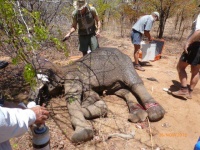
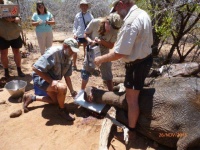
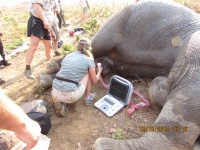
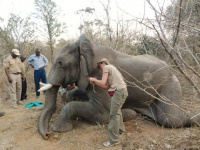
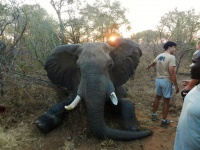
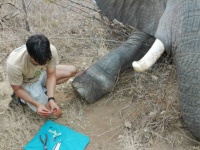
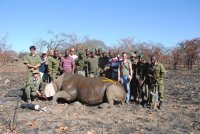
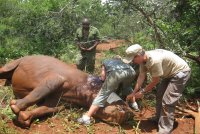
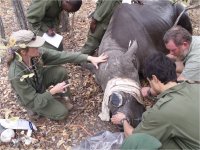
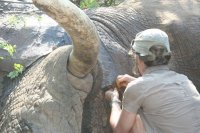
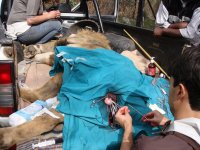
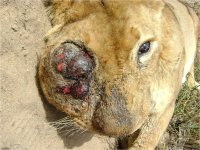
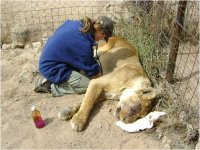
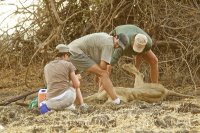
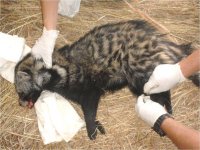
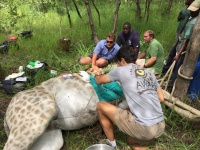
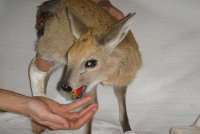
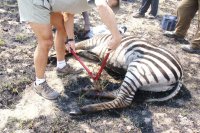
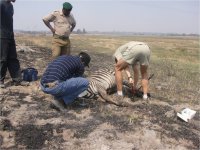
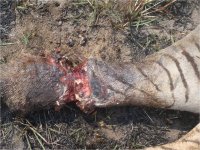
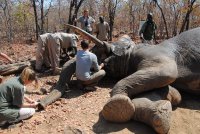
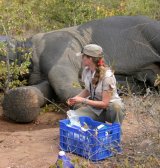
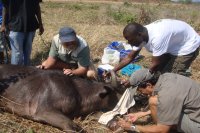
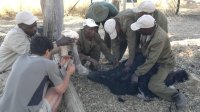
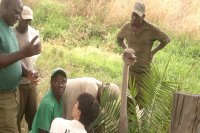
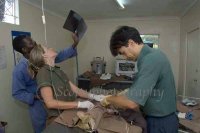
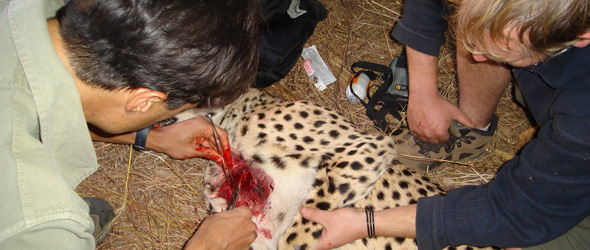
Animals go through untold suffering as a product of mankind’s folly. AWARE aims to redress this balance by providing quality veterinary care and rehabilitation to wild animals that have been injured directly or indirectly at the hand of man. AWARE believes that every animal’s LIFE is precious. However if rehabilitation will cause undue stress on an animal, it will be humanely euthanased.
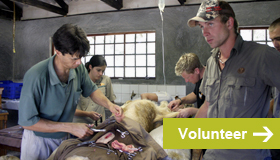
AWARE also recognises disease threats in wildlife and aims to treat sick or disease-threatened animals either individually or on a ‘herd health’ basis.
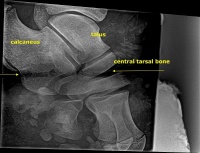
The Trust believes in utilising whatever resources are available to perform immediate and necessary tasks. However, it is AWARE’s long term vision to provide, as headquarters, a purpose-built animal hospital with facilities to deal with all wildlife species. This will include in-house laboratory facilities and state of the art diagnostic equipment, which may be used as a referral centre for other veterinarians. The Trust ultimately aims to offer a flying veterinary service especially for wildlife emergencies in remote or inaccessible areas.
To date, we have been relying on local small animal veterinary surgeries to loan us the use of their facilities to deal with wildlife cases. AWARE is slowly procuring its own set of medical and surgical equipment for use in the field.
Latest updates
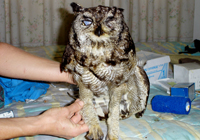
Owlie

‘Owlie’, a beautiful spotted eagle owl was hit by a car in February 2009. An X-ray revealed no broken bones but his left eye was bruised and swollen shut, and he appeared to have severe neurological deficits with his left wing and right leg non-functional. He could not balance and had to be propped up by towels for the first week. Initially he was too weak to feed, but once his hydration was corrected, he gratefully accepted being force fed, and after 10 days began to eat culled day-old chicks on his own. By 2 weeks, both eyes were open and responsive, and he could keep himself upright by using his left wing as a prop. After 6 weeks of intensive physiotherapy, Owlie could fly short distances, and was also able to extend the talons on his right leg. After several more months Owlie could hunt for himself and was finally released at the end of the year. More about Owlie's story in our April 2009 newsletter
Rehabilitation
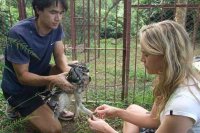
Molly, a juvenile wild vervet monkey was hit by a car at an outdoor restaurant in Harare’s suburbs and thrown into a dustbin on 21st December 2009. A concerned member of public brought the concussed and shocked monkey into us for treatment. She responded well to fluids and supportive treatment and after 2 days the sweling on her head began to subside. She was soon feeling strong enough to bite us every time we tried to return her to her holding cage, so we decided it was best to return her to her troop as soon as possible. On Christmas Eve we returned to the site of her accident where the rest of the monkeys were casually playing in the trees. They became very agitated at seeing her in the cage and one male actually tried to charge at us when we approached the cage to release her. When we opened the cage door she ran to the troop and was welcomed by several of them with nose to nose greetings. Read more in March 2010 newsletter.